What questions should you ask a dealer?
At British Art Fair, our dealers are on hand to share their expert knowledge. From offering insight into an artwork’s history, the artist’s practice, to what makes a piece significant. We asked our 2026 exhibitors which questions they think every collector, both new and established, should ask.
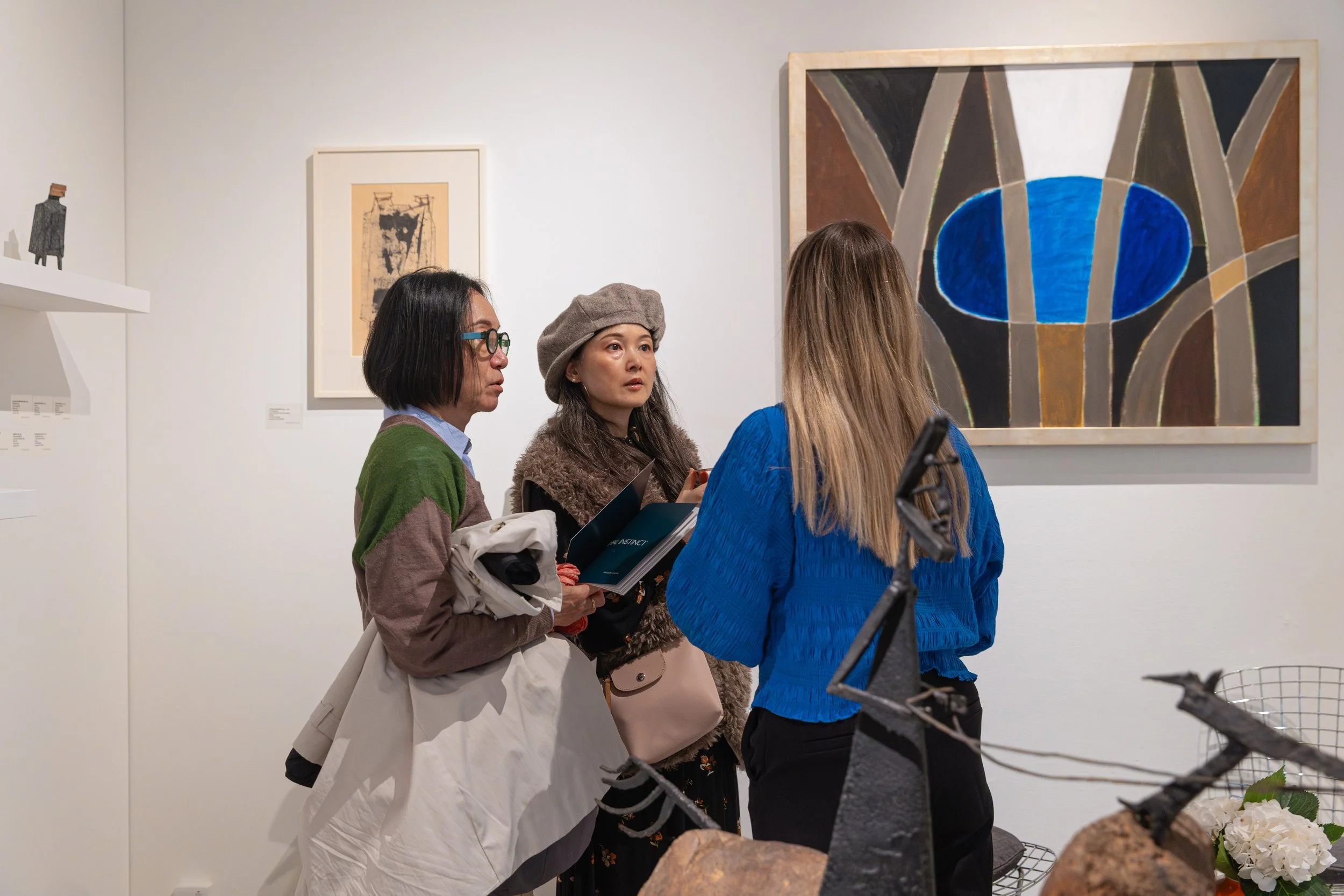
“If you're new to collecting, you'll soon learn that condition is very important. So, ask a gallerist if the item you are interested in has any defects; has it been restored? Have the colours faded? Has the canvas/paper been cut down? If it's a bronze, is it the original patina? These sorts of questions will help build trust with a dealer and increase your own knowledge at the same time”.
Dominic Kemp Modern British Prints
“It is always worth starting with provenance. Ask where the work has come from, whether there is a documented ownership history, and if it has been exhibited or previously sold. In Modern British art in particular, this background information is often as important as the work itself”.
“Is this a typical example of the artist's work? Can you explain the approach taken by the artist in this work? Where does this artwork fit into art produced during this time? Do you think this artwork is a good investment?”
“Ask about the artists, the medium, is it framed with museum glass, can I try it in my home? Do you have other works by this artist I like?”
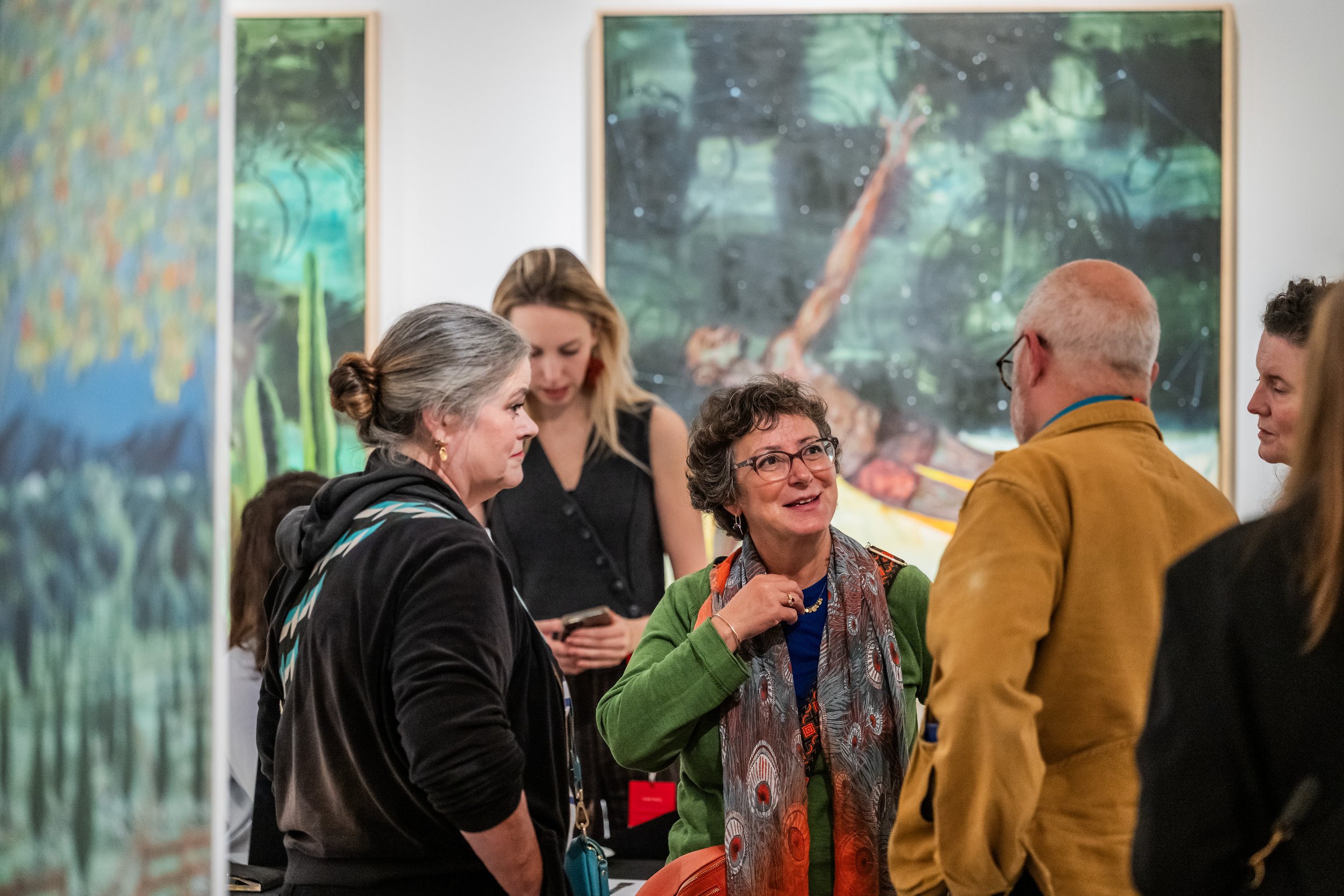
“Don't be afraid to ask questions. Ask what inspired the work, why the gallery chose to represent the artist, and where the artist is in their career. Find out about the techniques, materials and ideas behind the artwork, and whether the artist has exhibited in museums, public collections or internationally. Most importantly, ask yourself how the work makes you feel. It should be a conversation, not a test. The more you learn about the artist and their practice, the more meaningful collecting becomes”.
“Ask how the works on the stand relate to one another. It's also worth asking which artists the gallery believes are due for rediscovery and how a particular artist fits into the wider story of Modern and Contemporary British art”.
Gallerists are there to help (and want you to ask!). Ask things like what makes the artist significant, why the gallery has chosen to exhibit the work and where it sits within the artist's career. It's also worth asking about provenance, exhibition history and whether there are other works available. A good gallerist will be happy to guide you and help you find pieces that suit your taste and budget”.
“Be curious. Ask what inspired the work, how it fits into the artist's practice, or why the gallery chose to present this artist. Understanding the narrative behind a painting often reveals details that aren't immediately visible, enriching the experience of looking. Just as importantly, ask yourself what is drawing you back to a particular work. The most memorable collections are built not on certainty or trends, but on recognising when an artist's narrative connects with your own. Those personal connections are what give a collection depth, meaning and lasting value”.
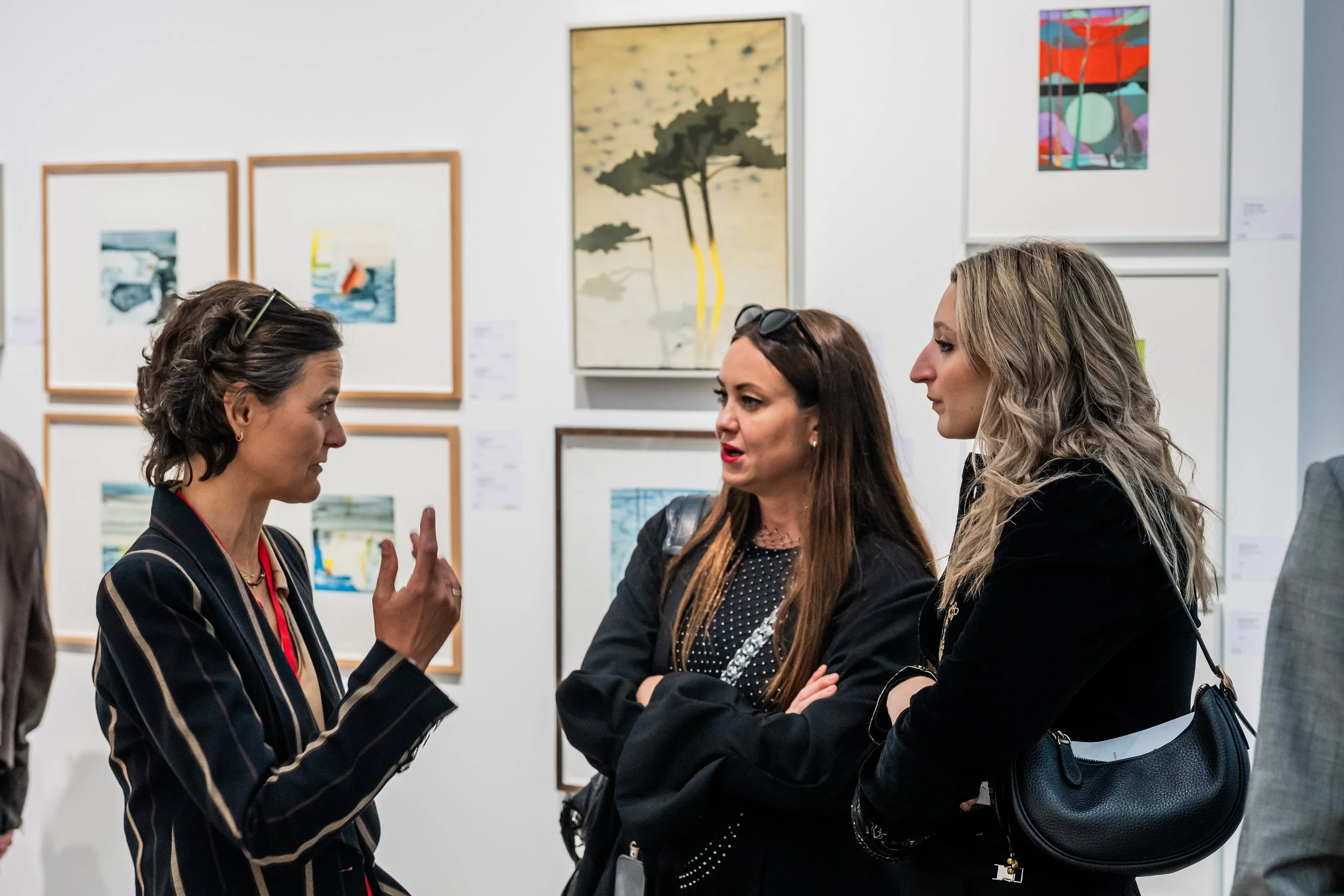
“Don't be afraid to ask a dealer to justify the pricing on any work rather than assuming that it is too expensive or priced incorrectly, and do ask about provenance and condition, especially on earlier works and more expensive pieces”.
“What is the most underrated (and implicitly undervalued) work on this stand?”
Harry Moore Gwyn
“Identify the style of art you like and then ask the gallerist what else would develop a collection around that, especially as the gallery may have further works within their stores that reach beyond the walls of the show. That enables you to build a relationship and use the expertise of the gallerist to develop your eye further.”
“Don't be afraid to ask questions. A good starting point is: “What is it about this artist that makes you excited?”
Most importantly, ask the gallerist what they personally think. A good gallerist should not simply be trying to sell you a painting; they should be able to give you insight into the artist and help you decide whether the work is right for you. At a fair such as British Art Fair, visitors have the rare opportunity to see many different artists and galleries in one place. Take your time, ask questions, and don't be afraid to return to a work more than once. Sometimes the piece you keep thinking about after leaving the fair is the one you should be looking at more closely”.
“Why have you chosen to bring these rather than other things?”