How to start a British Art Collection
Every collection begins with a single artwork, but there are many routes to becoming a collector. From buying prints and works on paper to discovering overlooked artists and following your own taste, the British Art Fair exhibitors share their advice on building a collection with confidence.

John Northcote Nash (1893 - 1977), A group of beech trees. Pencil and watercolour on paper, 33.7 x 56.3cm. Courtesy Ottocento
“Go and visit as many museums and public collections as possible. Follow your own taste and take the advice of an established art dealer”.
“If you see something you love and you can't stop thinking about, buy it, especially if you don't know why. It will take you on a journey that will teach you not only about itself, but about yourself and why”.
Dominic Kemp Modern British Prints
“If a major oil painting by a well-known artist is out of reach, consider a small watercolour or print. Works by established names are more likely to retain value, but there is also opportunity in artists connected to important movements who have not yet received full recognition. These can be more affordable and, in time, may be more widely appreciated by the market.
Buy art for love. If you love it, the chances are that when the time comes to sell it, someone else will too. Always ask for as much background information as possible. There are fakes out there, so provenance and history are key considerations. Some works may have exhibition history or previous ownership linked to friends or contemporaries of the artist. The closer you can trace a work back to the artist’s studio, the better”.
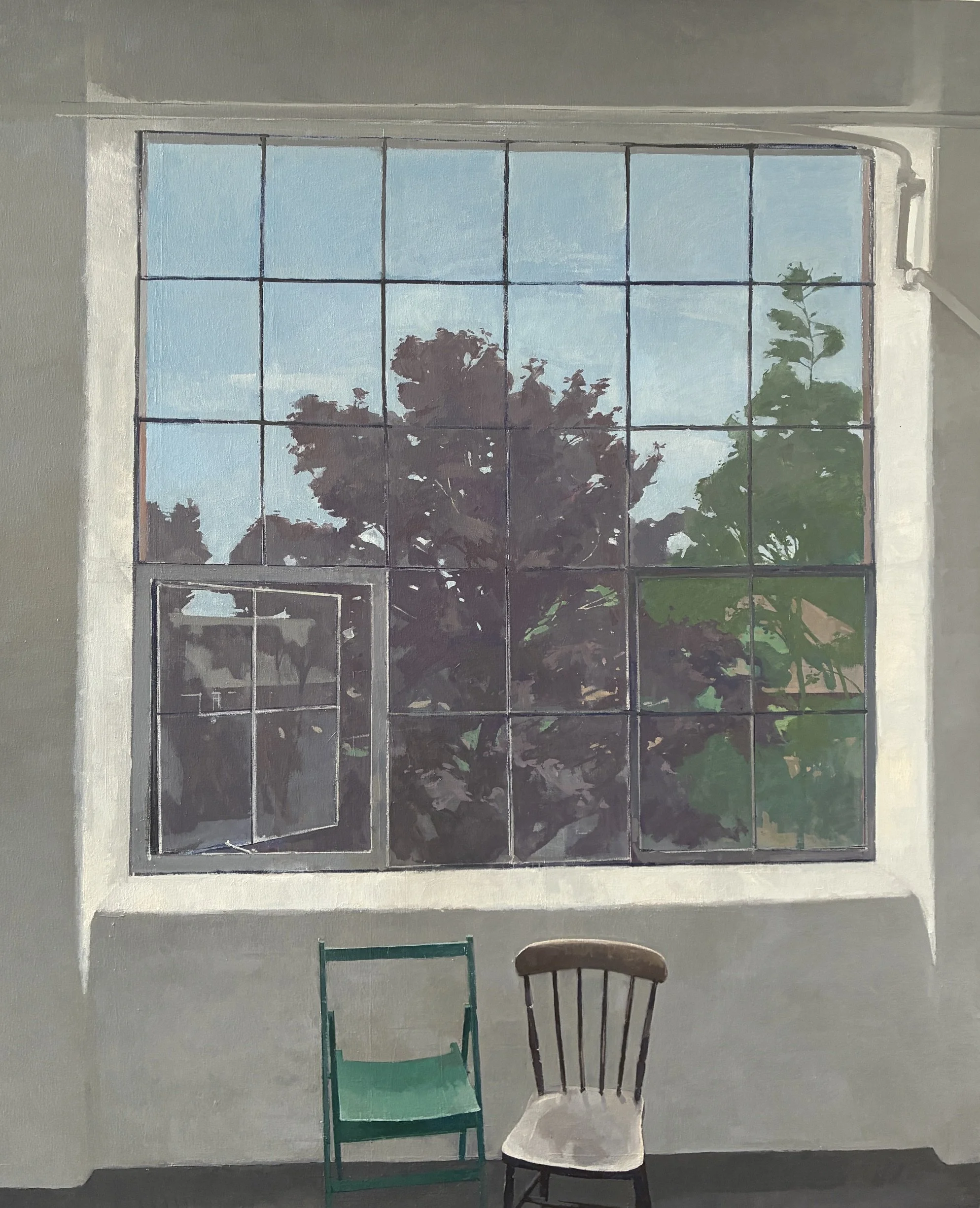
Jason Line (b.1965), Summer Window, 2026. Oil on linen, 138 x 112cm. Courtesy Gallery 155A
“Be specific, pick a timeline or a school of art that you are drawn to and build your collection upon associations that you discover between artworks and/or the artists. Consider purchasing drawings, sketchbooks and preparatory oil sketches - they are more accessibly priced and often showcase the artist’s thinking/personal interests”.
“Original prints are a very accessible route when starting your own collection - engravings, etchings, lithographs and screenprints - issued in limited editions, signed and numbered. You can always move onto buying original works when you've developed some buying confidence. Follow your own artistic taste in terms of the artworks you choose and do your own research into your preferred artist(s) and the groups to which they belonged. The more informed you are, the more confident you will become in developing your collection”.
“Buy what you love, ask for the artist's biography and information to help contextualise the work and look for an authentic voice and narrative. Every collection is unique and personal to the collector so don't be swayed by other people - trust your instincts”.
“Always buy what you like - you will enjoy living with it and be interested to find out more, which will help you grow your collection. It needn't be the most expensive work on the stand, or the most famous artist”.
“Do not be too driven by names. There is huge value in the Modern British art market still and whilst there is a temptation to buy something by one of the better-known figures in the field you should always ask yourself if this is a good example and if cheap, why? Try and buy a great example by a "second-rank" name instead. As well as buying what you like, do also think about the date. Does this work reflect something of the era in which it is created? If not, there is a risk you will build a collection of pastiche works or imitations”.
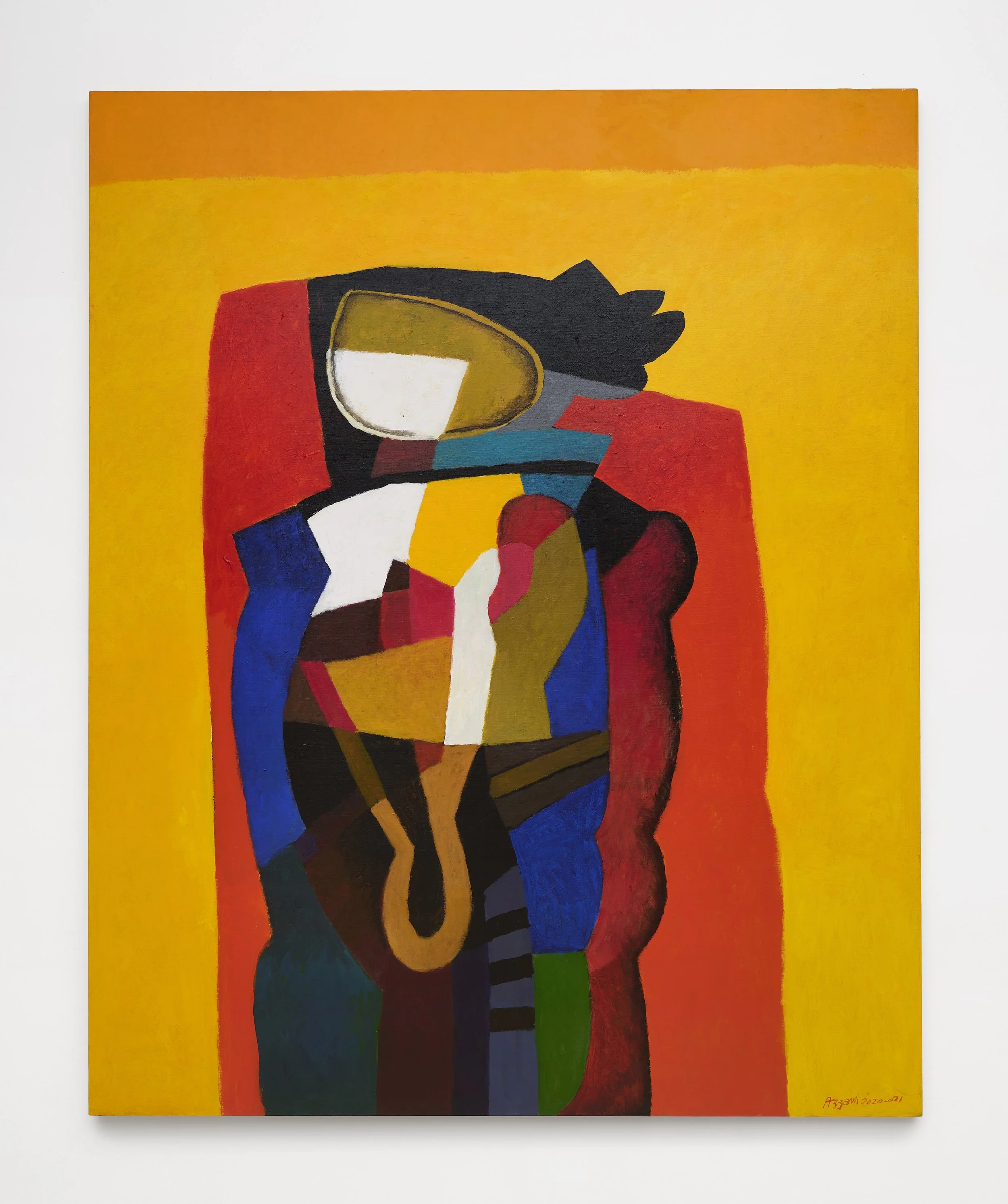
Dia Al-Azzawi (b. 1939), Man in Yellow Field, 2020-2021, Signed, dated recto. Acrylic on canvas, 210 x 170 cm. © Dia al-Azzawi. Courtesy of Richard Saltoun Gallery, London, Rome & New York.
“Look beyond the familiar names and conventional definitions of British art. Modern British art is a far broader, more international and more diverse field than it was once understood to be”.
“Buy things that give you pleasure or have meaning for you because that is what art is about. Too often painters' works become heavily commoditised and are viewed through the lens of investment. A wise art dealer once told me - 'nothing is worth anything until somebody gives you something for it!”
“Don't be afraid to investigate lesser-known artists whose work might provide better value for money. Don't be led by investment potential, instead look for works of genuine quality within the budget you have. Look beyond the auction houses who tend to concentrate of a limited number of brand names”.
“Buy what you genuinely want to live with, not what you think you should buy. The best collections have personality. Trends come and go, but if a painting still excites you every time you walk past it five years later, it was the right purchase”.
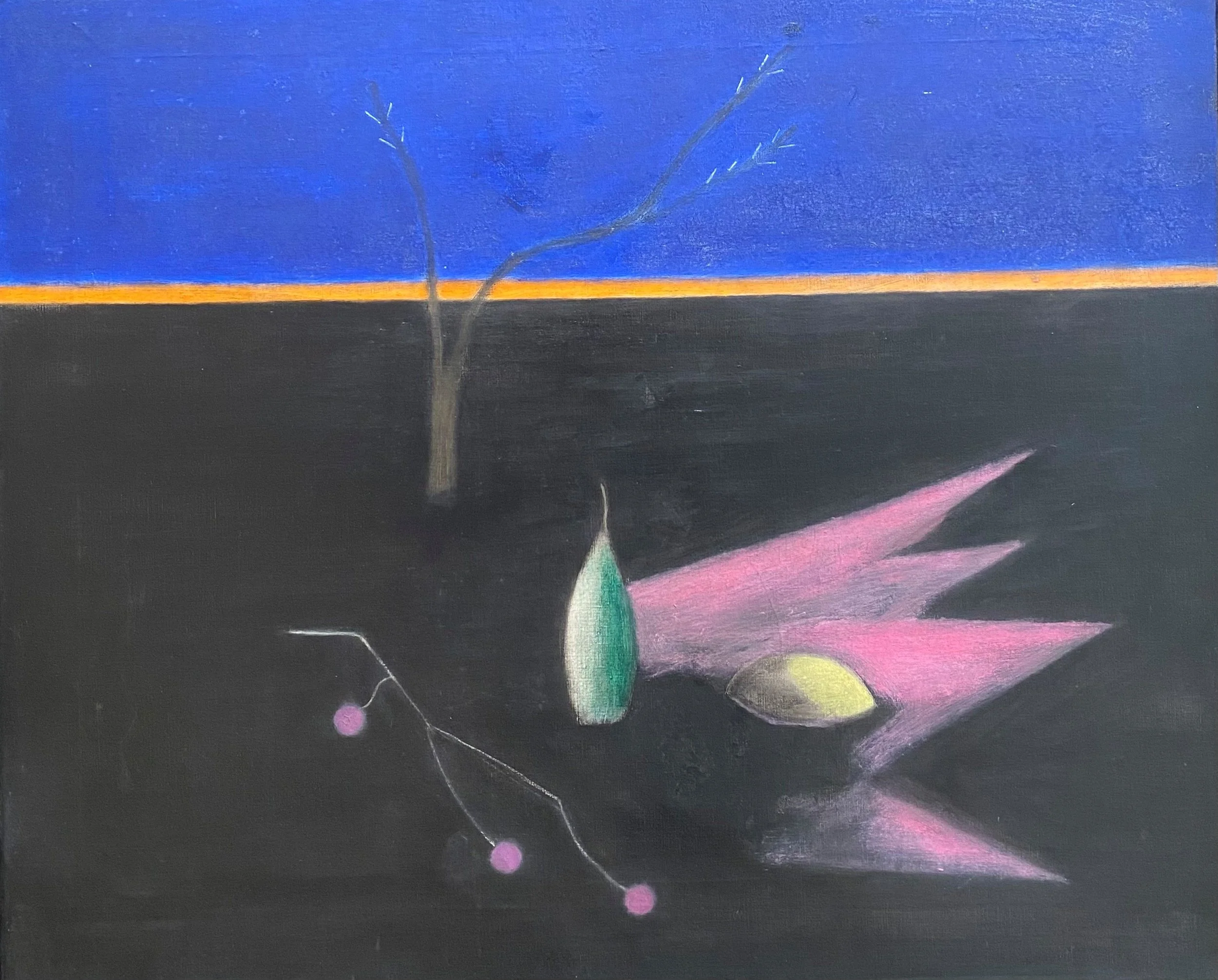
Craigie Aitchison CBE RA (1926 - 2009), Pear Still Life, 1971. Oil on canvas, 50.8 × 60.9cm. Courtesy Browse & Darby
“Visit as many art fairs and galleries as you can and familiarise yourself with artists and movements that particularly interest you. Always buy what you like as opposed to thinking about investment at this stage”.
“Identify British artists whose work you are drawn to and follow their practice and trajectory closely. An entry point would be with prints and works on paper which are more affordable. Visit a variety of exhibitions from Degree shows, Auctions houses and smaller emerging galleries”.

Dorothea Sharp (1874-1955), Breezy Day Above St Ives Cornwall. Oil on Canvas, 42x36in. Courtesy Haynes Fine Art
“The best collections are built through curiosity, not investment alone. Buy the work that stays with you after you've left the fair, the piece you find yourself thinking about days later. Spend time talking to galleries and learning about the artists, their ideas and where they are in their careers. Many outstanding contemporary artists remain surprisingly accessible, offering collectors the opportunity to acquire exceptional work before wider institutional recognition. Above all, collect what you genuinely love. The strongest collections tell a personal story, reflecting the eye and imagination of the collector as much as the artists themselves”.
“Always to trust your eye and follow your heart and turn to the fair experts to guide you within your taste. Make collecting enjoyable and ensure your walls are a reflection of you”.
“Start by following your curiosity. Every artist has a narrative that underpins their work, and every collector brings their own experiences, memories and perspective to what they respond to. The most rewarding collections are built where those narratives meet. Don't worry about asking the "right" questions - there aren't any. The more you learn about an artist's practice, the more you'll begin to understand your own instincts: why a particular work holds your attention, what themes you return to, and what kind of visual language resonates with you. A collection isn't built overnight; it evolves as your own narrative does”.
“The most important advice is to collect with your eyes first and your head second. A first collection doesnot need to be large or expensive. It should begin with works that genuinely speak to you and that you can imagine living with for many years.
One of the biggest misconceptions is that you need to be an expert to start collecting art. You don't. Visiting galleries, speaking to artists and gallerists, and looking at as much art as possible are some of the best ways to develop your eye and confidence.
For first-time buyers, I would prioritise the quality and originality of the work, the artist's practice and the emotional connection you have with the piece. Price and potential investment are important considerations, but they should not be the only reason for buying. A great collection develops over time and reflects the personality of the collector”.