Why collect British Art?
Why is now the moment to collect British art? We asked the experts at British Art Fair to share their perspective. Their responses reveal a market defined by value, renewed appreciation and exciting opportunities to discover artists whose significance is only continuing to grow.
Discover British Art Fair 2026, including our complete Exhibitor List here.
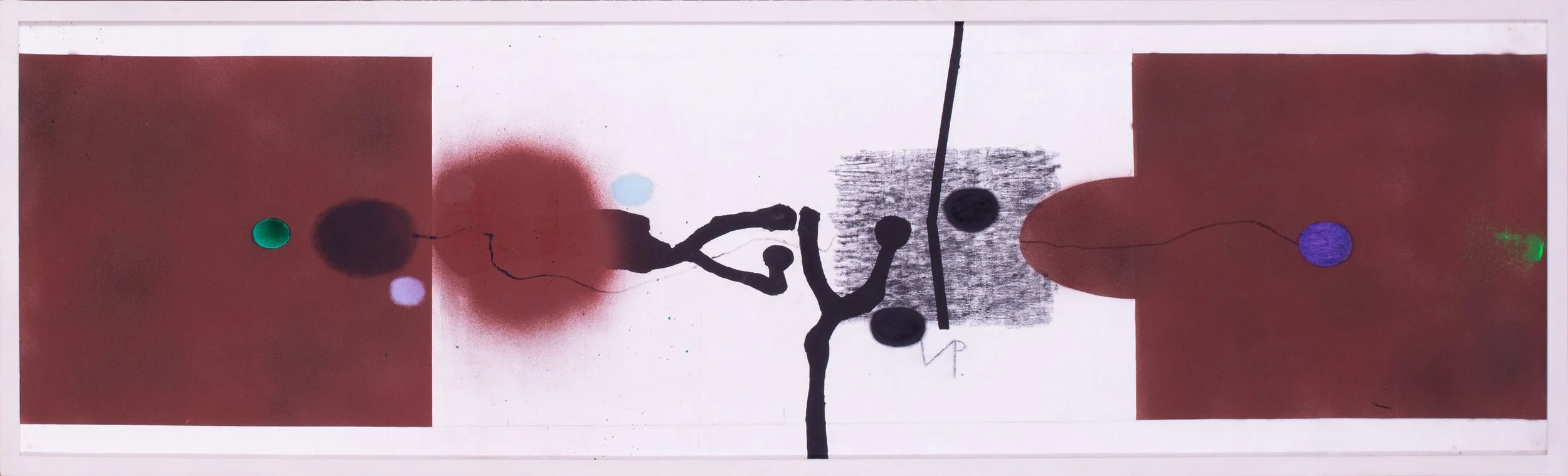
Victor Pasmore (1908 - 1998), Abstract, 1980. Signed with initials. Oil, acrylic and charcoal on canvas, 44 x 150cm. Courtesy Ottocento
“Unlike more volatile contemporary sectors, Modern British art has a depth and historical grounding that gives it stability, while still allowing for discovery. This balance of established demand and ongoing reassessment makes it a particularly rewarding area to collect in at present. As ever, the most important factor remains the same: buy what you genuinely respond to”.

John Minton (1917-1957), Thames-Side, 1952. Lithograph, 38cm x 49cm. Courtesy Fifites Art
“It is a great time to be collecting Modern British Art as it still feels relatively undervalued compared to equivalent international movements. Artists like John Piper, who we champion, Graham Sutherland, Edward Bawden, and Enid Marx are hugely important names within British art history, yet many works, especially prints and works on paper, are still surprisingly affordable when you compare them to artists of similar significance from Europe or America”.
“There is a preconception that the Modern British Art market is over-valued, but as always, it is really only some strands within the field that have seen explosive growth. The art schools of Britain were never more thriving than in the period after 1900/1910 and there is still much to be discovered. The peculiar aesthetic inherent in much of this field remains distinct from the Continental tradition and that is its strength. It remains in tune with the direction of British style and design”.
Harry Moore-Gwyn
“There is an increasing interest in works from the 1980s and 1990s which had previously been considered too contemporary by some collectors and dealers in the field. This provides a rich opportunity to discover artist's whose market is perhaps not as developed as those from the generation before”.
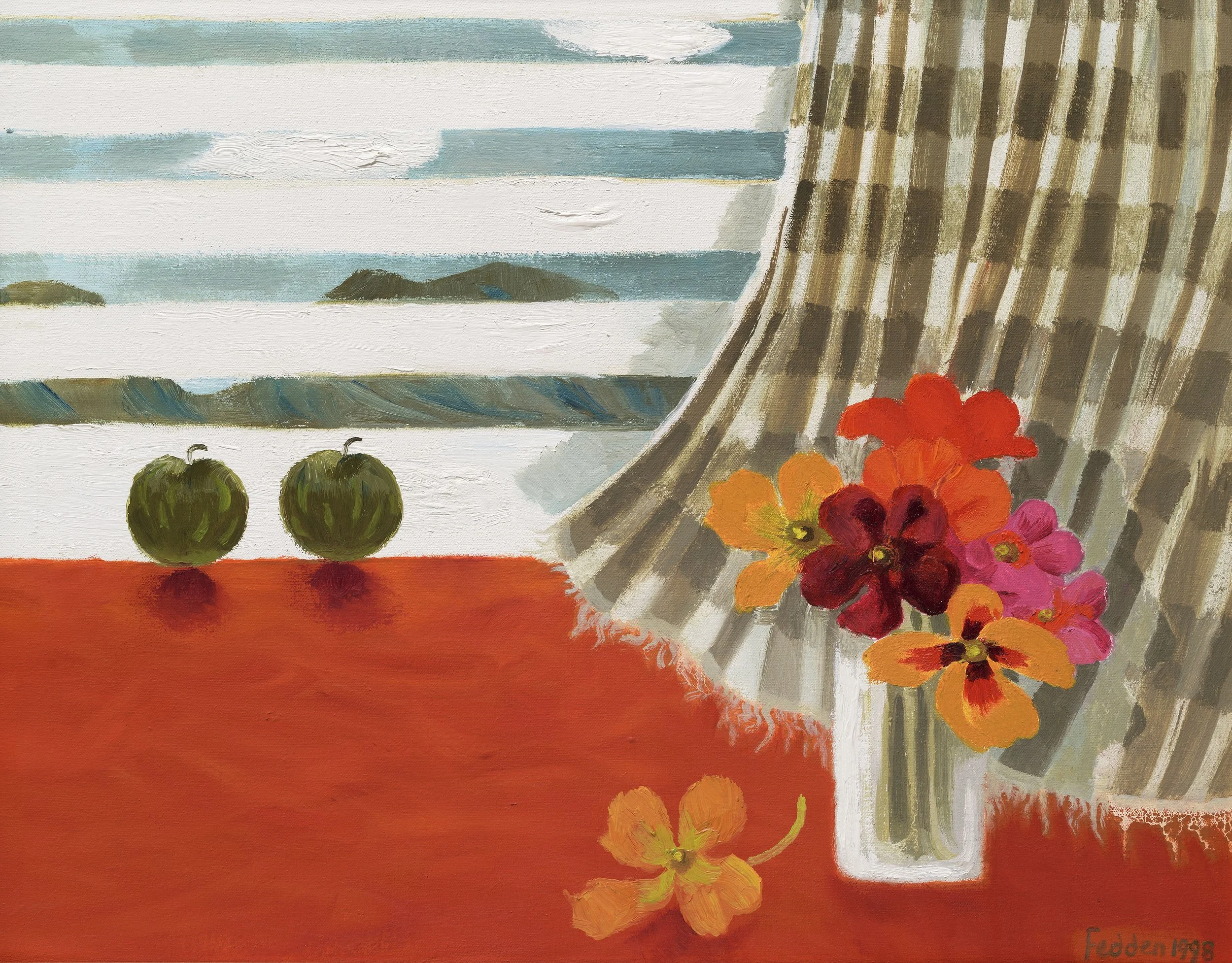
Mary Fedden (1915-2012), Nasturtium, 1998. Oil on canvas, 41 × 51cm. Courtesy Thompson’s Gallery
“While international markets have seen significant price growth, many exceptional British artists still represent remarkable value. At the same time, increased scholarship, museum exhibitions and growing appreciation for twentieth century British art have created a more informed and confident market. Above all, great art is about more than investment. It brings lasting enjoyment, enriches everyday life, and becomes part of your own story. The best collections are built patiently, with works you genuinely love”.
“While interest in British artists continues to grow globally, it remains accessible when measured against many international markets so now is an excellent time to build a collection with long-term value. Combined with London's diverse museum programme and specialist fairs dedicated to British art, this makes it an especially rewarding time to discover and collect works”.
“The field is undergoing a significant reassessment. Major artists are being rediscovered, while previously marginalised histories are receiving long-overdue attention. This creates a compelling opportunity to build a collection that reflects the richness, complexity and diversity of modern Britain”.
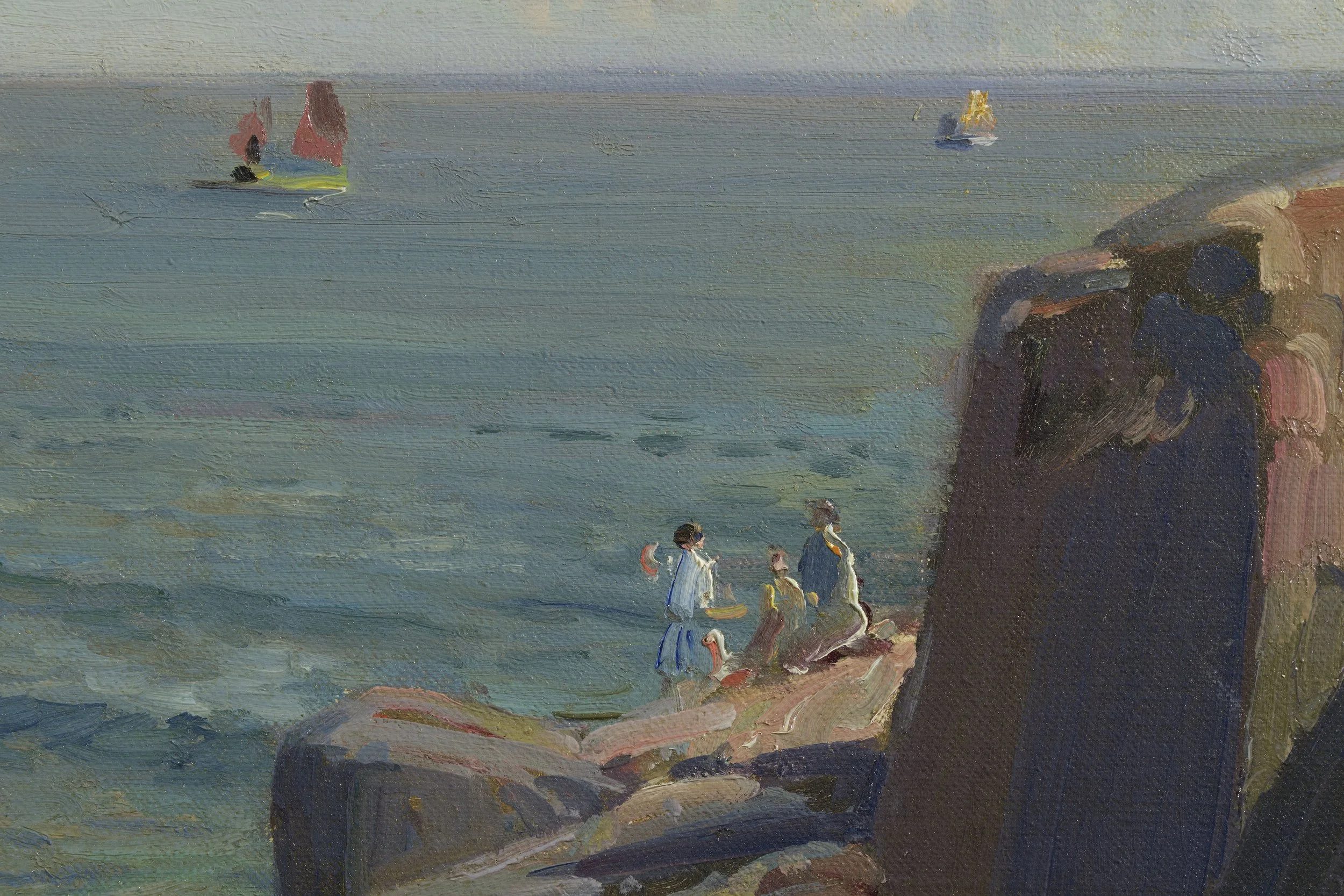
Samuel John Lamorna Birch (1869 - 1955), Away to the West. Oil on canvas, 50. 5 x 61cm. Courtesy Jonathan Cooper
“The interior has never been more suited to Modern British Art, with the focus being on clean lines and key standalone pieces. An opportunity to invest in fresh vibrant canvases to brighten your home”.
“There are still many undervalued Modern British artists so the starting point does not not have to cost as much you might think”.
“Now is a particularly interesting moment to collect Modern British art because the field still offers a rare combination of quality, depth, and relative value. It includes artists of real historical importance, many of whom remain more accessible than comparable European or American names, while offering works of great individuality and character”.

Bethany Holmes, When Kindness Falls Like Rain, 2026. Acrylic, Pastel and Oil Stick on Linen Framed, 140 x 200cm
“British art has never been more diverse, technically accomplished or internationally connected. Today's artists draw on centuries of artistic tradition while engaging with contemporary questions around identity, technology, craft, architecture and cultural memory. Many are exhibiting in museums, public commissions and major international fairs, yet their work remains accessible compared with equivalent artists in other markets. For collectors, this presents a rare opportunity to support exceptional artists at pivotal moments in their careers while building collections of lasting cultural value”.
“Collecting emerging artists is also a way of becoming part of their story. Early support gives artists the confidence and opportunity to develop ambitious practices, while helping sustain the wider cultural landscape. A collection is more than a group of objects - it is a record of the artists, ideas and moments that have shaped your own journey”.
“British art has an extraordinary depth and diversity, from the Modern British tradition through to the highly individual contemporary practices developing today. What makes it particularly exciting is the dialogue between history and experimentation. British artists have always absorbed influences from Europe and beyond while developing their own distinctive visual language. Today, there is a particularly interesting generation of artists working across painting, sculpture, photography and new media, alongside artists continuing and reinterpreting established British traditions. This creates opportunities for collectors at many different levels”.